
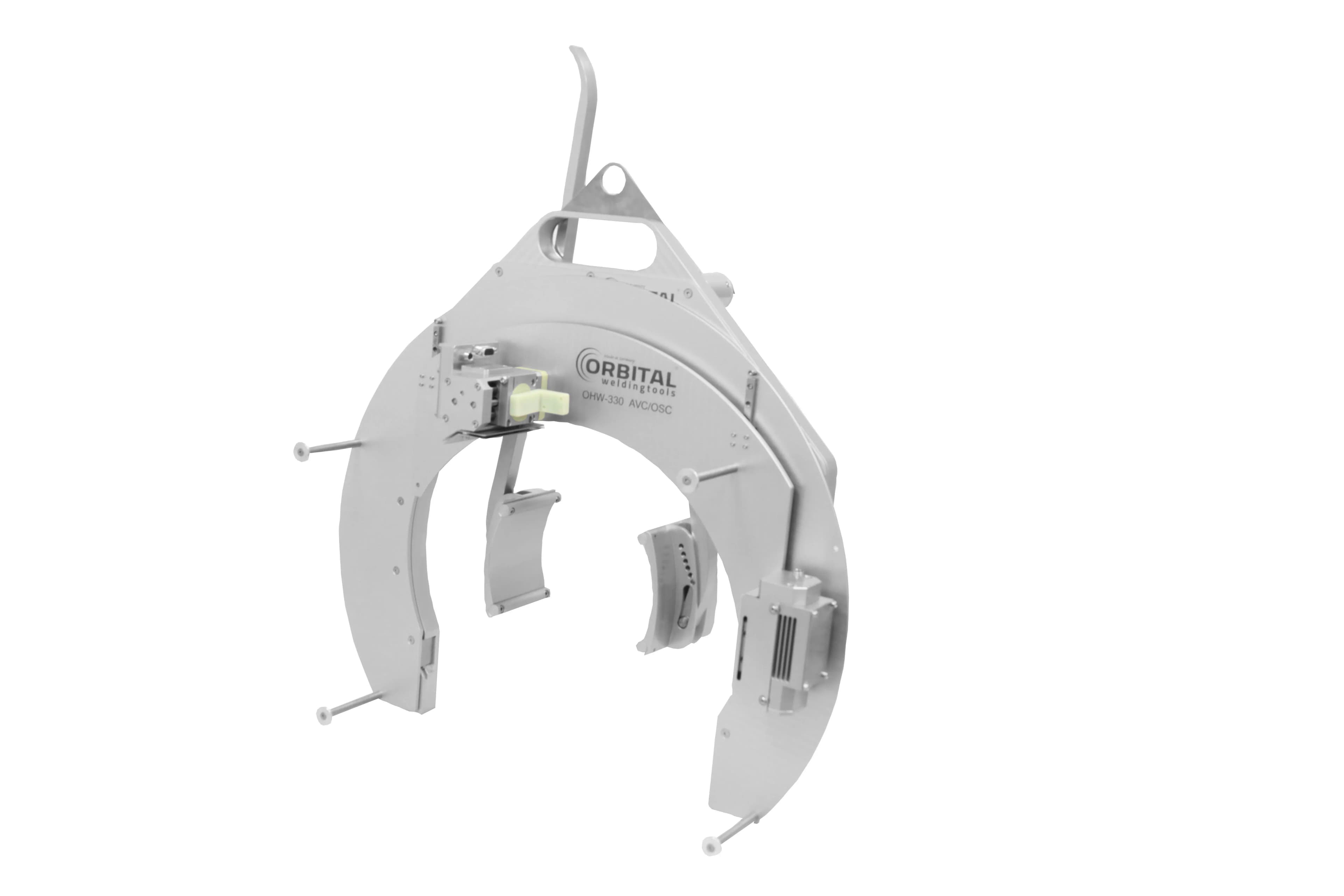
What does an orbital welder do?
An orbital welder prepares tubes and operates a mechanized welding head around their joint. The operator runs programmed cycles and monitors parameters and records.
Automation does not remove the welder’s role: tube-end preparation, alignment, equipment configuration and observation remain important parts of the work.
Prepare the joints
Identify the tubes and check their preparation and positioning against the documents. Allow for welding head clearance and coordinate the sequence with the pipe fitter.
Operate the equipment
Fit the appropriate head, use the specified programs and instructions, monitor the cycles and report observed deviations.
Track the records
Link welds to project identifiers and retain the required parameters or reports. Prepare the information to hand over to quality control.
Skills and personal qualities
The role combines welding knowledge, precise tube preparation and equipment operation. The operator must understand displays, follow programs and recognize abnormalities.
Linking welds to project identifiers and records requires care. Responsibility for adjustments and validation depends on the assigned role and applicable procedures.
Working environment and teamwork
Work covers tubular joints in prefabrication and on site. Clearance around the tube and the assembly sequence influence how the head can be used.
Pipe fitters support preparation and fitting, while quality control deals with required records and checks. Unlike manual TIG, orbital welding centers on operating and monitoring a mechanized cycle.
Training and career development
The learning path combines welding fundamentals with training on the orbital equipment used. Practice includes fitting heads, using programs, observing cycles and keeping records.
Qualifications must match the assigned work. Experience and further training can lead toward process development, technical support or team leadership.