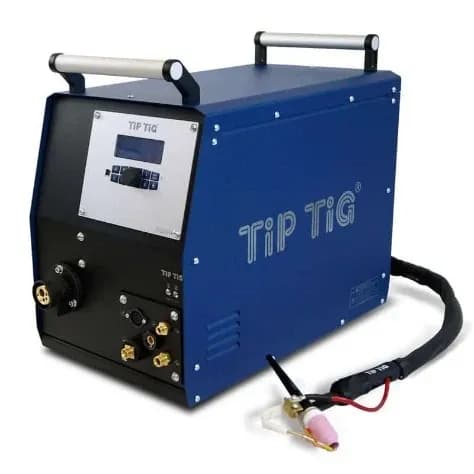
TIP TIG TIPTIG
TIP TIG AllinOne
View detailsPrice on request
No-obligation quote

Understand
The process explained, from principle to preparation.
In this guide
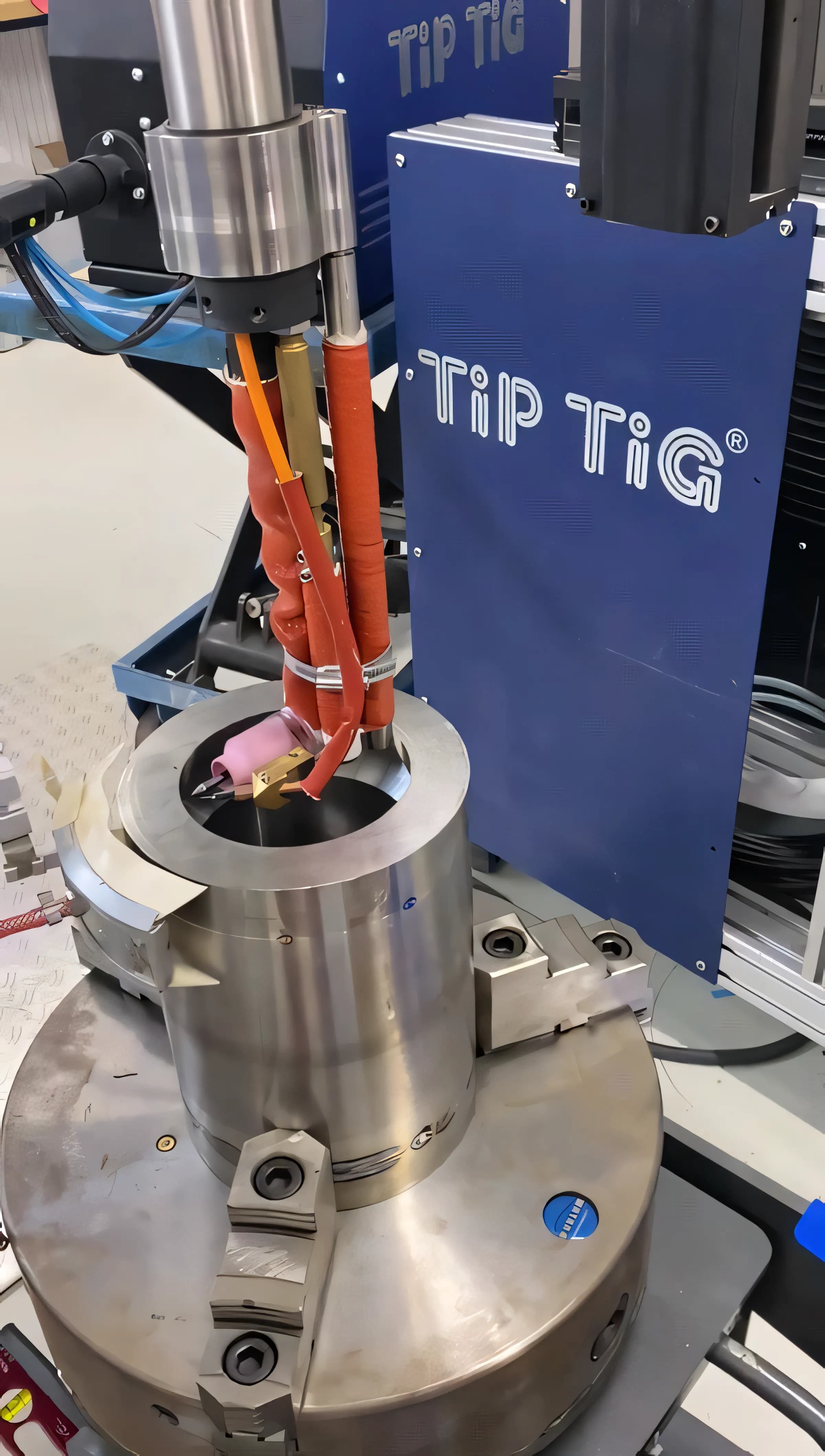
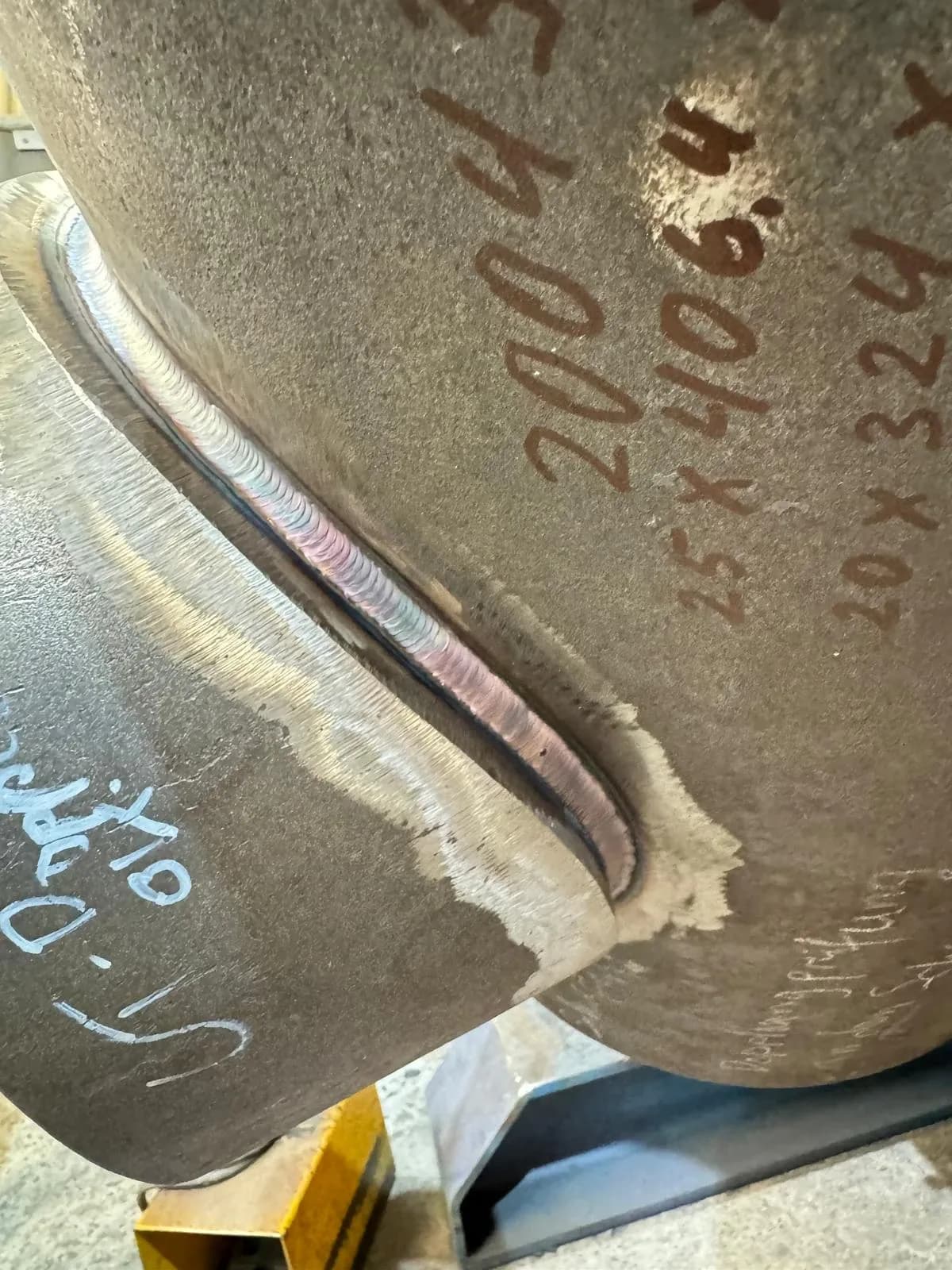
TIP TIG combines a TIG arc with a filler wire driven by a controlled mechanical movement. The wire is fed continuously into the weld pool, while its dynamic motion promotes consistent metal transfer and stable welding.
Depending on the application, the process can use cold or hot wire. Hot wire can increase the deposition rate while retaining the qualities of TIG: precision, weld pool control and low spatter.
A TIP TIG installation includes the welding power source, torch, wire feeder and shielding gas system, together with mechanisation and parameter-monitoring equipment where required by the application.
TIP TIG is well suited to environments where weld quality, repeatability and process control are essential.
It can be considered for applications in:
nuclear energy and the manufacture of power plant equipment, particularly within the EPR and EPR2 programmes;
manufacturing and maintaining equipment for nuclear power plants in France and internationally;
shipbuilding and submarine construction, where joint quality and control of welding operations are critical;
defence and armaments manufacturing requiring precision, repeatability and traceability;
stainless steel tank and vessel fabrication, particularly for joints requiring excellent control of filler metal input;
industrial equipment, pipework, welded fabrications and special manufacturing in stainless steels, nickel alloys and other demanding materials.
One advantage of TIP TIG is its ease of integration at different levels of automation.
The process can be used for manual welding, while allowing a move to mechanised or automated solutions when volumes, part dimensions or repeatability requirements justify it.
Consistent wire feeding and parameter control help manage welding conditions. The process can therefore be integrated into travel systems, welding benches or dedicated equipment adapted to the part geometry.
With hot wire, electrical energy is used to preheat the filler wire before it enters the weld pool.
This configuration can significantly increase the amount of deposited metal compared with conventional TIG, while keeping filler feed under control.
For applications such as stainless steel tanks, vessel fabrication, thick-section joints or some surfacing operations, this capability can help achieve a better balance between quality, productivity and thermal control.
In demanding industrial applications, the ability to monitor and record welding parameters is another important advantage.
Depending on the installation, monitored parameters can include current, voltage, wire feed speed, travel speed, hot-wire supply and other cycle parameters.
These data can support process monitoring, repeatability and manufacturing traceability, particularly when TIP TIG is integrated into a mechanised or automated installation.
Choosing the process means more than adding a wire feeder to a TIG system. Material, thickness, joint preparation, wire diameter and type, welding position, access, travel speed and level of mechanisation must be considered together.
For nuclear, marine, defence, stainless steel tank or industrial vessel applications, we can assess a configuration suited to your needs and define the equipment required.
Show us your part, specifications and desired workstation setup. We can support you with assessment, trials, process implementation and getting to grips with the installation.
From workshop to site
Let’s review your joint to identify the right equipment and skills.
Let’s discuss your jointEquipment to buy
A selection for welding and joint preparation. Each product page provides technical information; compatibility is assessed for your complete installation.
Price on request
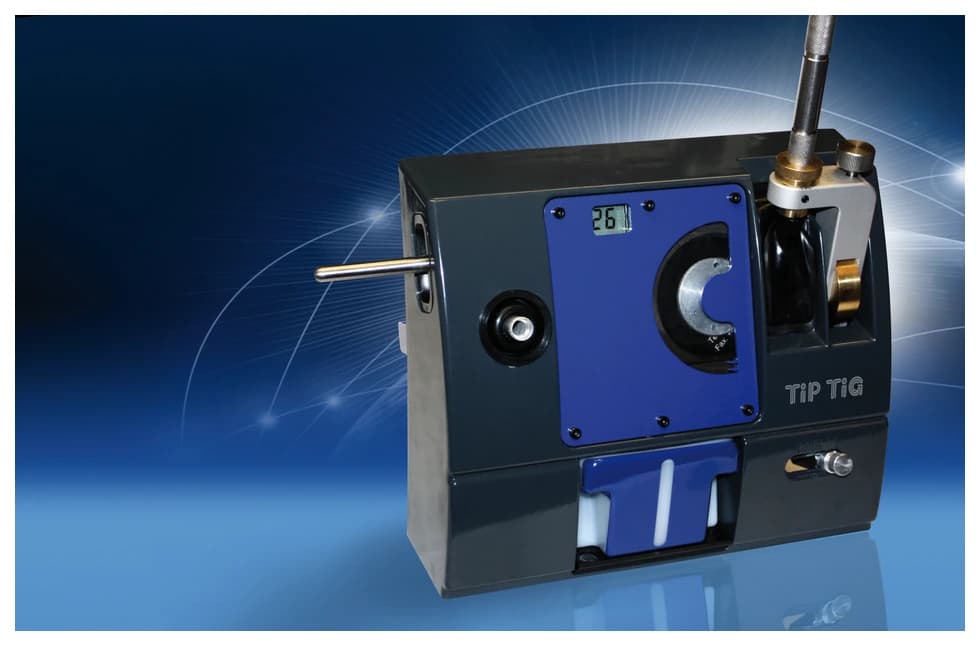
Price on request
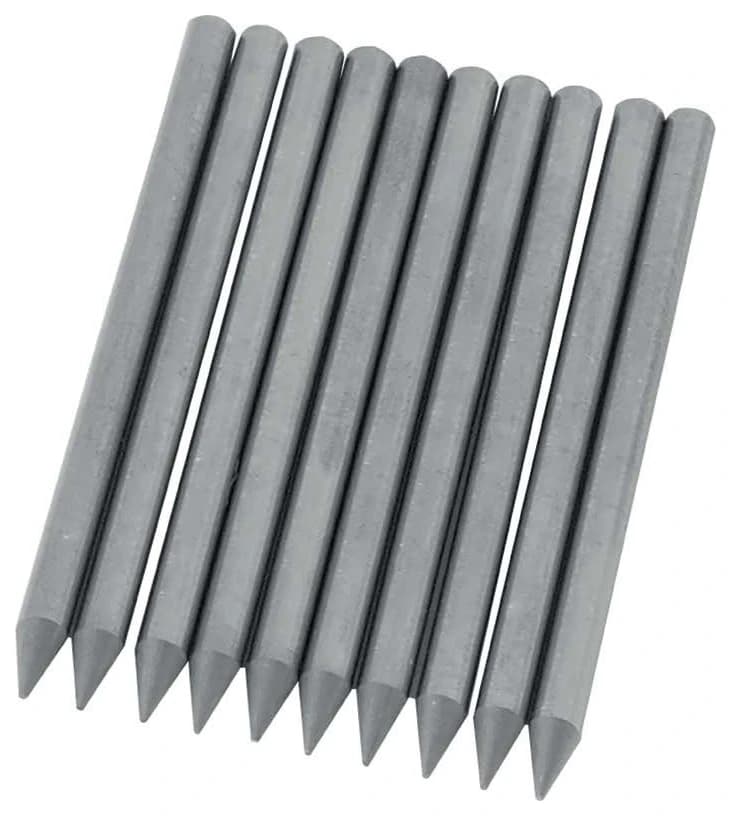
Price on request
People & teams
Define the work and required qualifications. We assess the professional profiles and supervision your project needs.
In practice
It is a wire-feed system. Assess it with the TIG source, torch, any required cooling and compatible consumables. Its product page lists documented specifications; we can help define the complete workstation.
Send drawings or dimensions, materials, location and proposed dates. Tell us whether you need equipment to buy, professionals or an intervention combining equipment and crew.