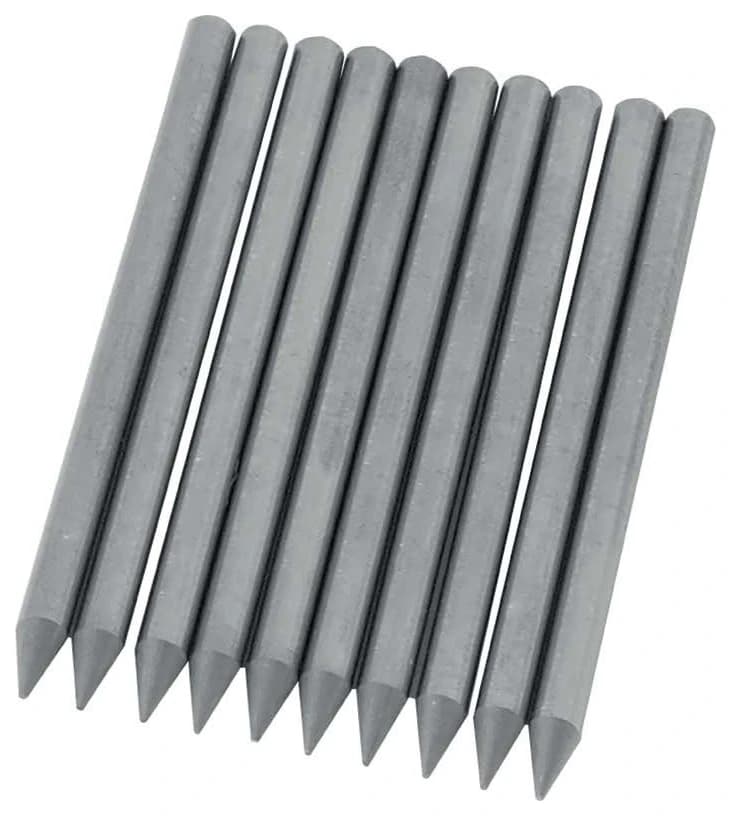
OWT Electrodes & grinding
Tungsten electrode OrbiPlus
View detailsPrice on request
No-obligation quote

Understand
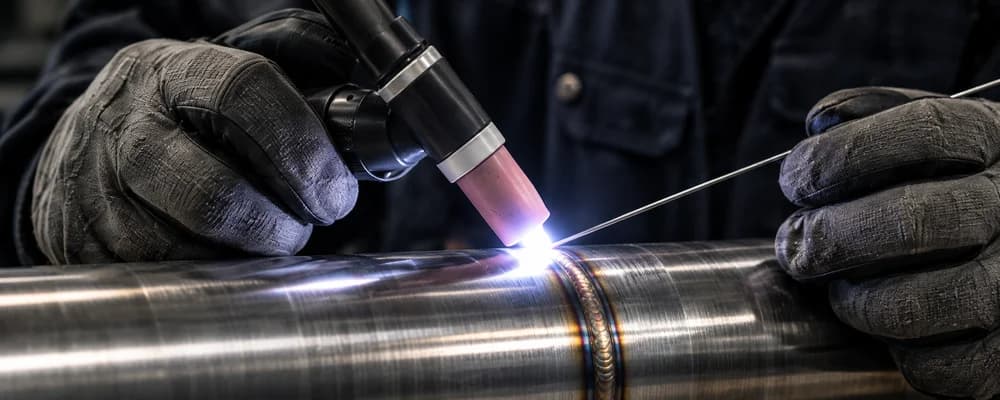
Understand TIG welding, select consumables and prepare stainless steel joints with SOMOBAT welders and technical support.
In this guide
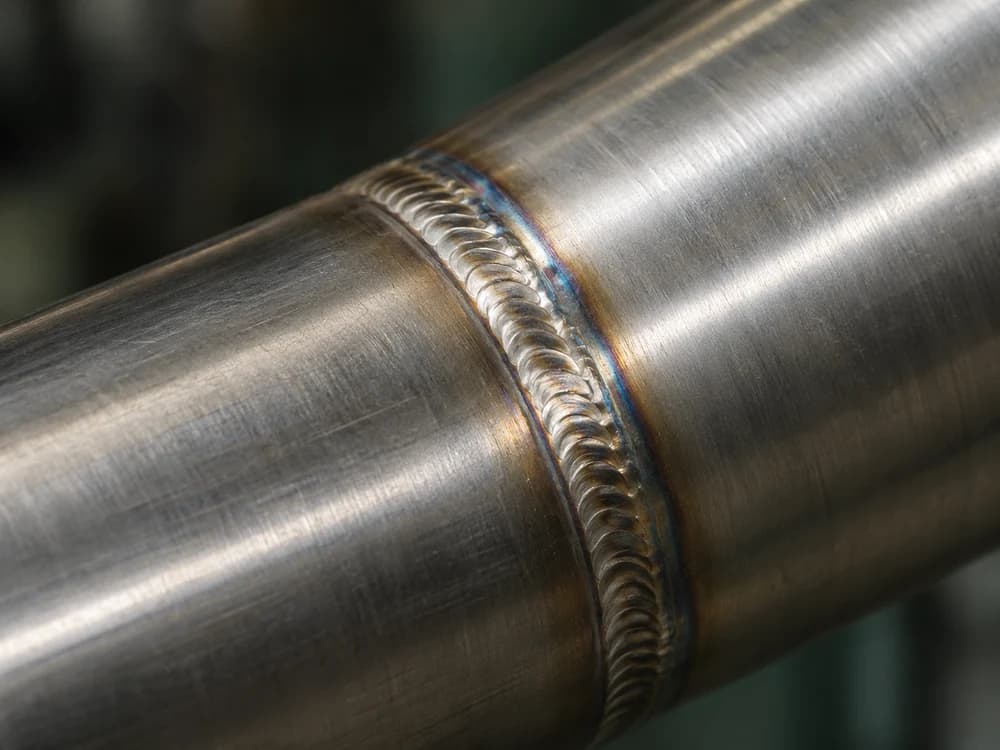
TIG uses an arc between a non-consumable tungsten electrode and the workpiece under inert shielding gas. Filler metal, when needed, is supplied separately. WIG is the German name for the same process. In manual work the welder controls the torch and filler; TIG can also be mechanised, including for orbital welding.
Consider TIG for pipework, stainless steel parts and joints requiring close control of the weld. Access, changing geometry or small batches may favour manual work. For repeated, comparable circular joints, consider orbital welding. Material, thickness and project requirements determine the choice.
Send material grades, drawings, thicknesses and welding positions. Specify access, inspection requirements and required qualifications. This lets us consider welder profiles, electrode preparation, gas protection and equipment together, rather than choosing a power source in isolation.

From workshop to site
Let’s review your joint to identify the right equipment and skills.
Let’s discuss your jointEquipment to buy
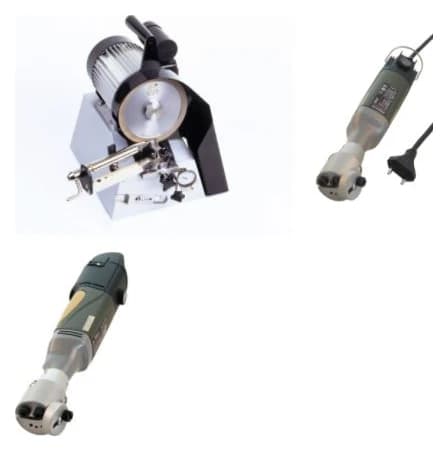
A selection for welding and joint preparation. Each product page provides technical information; compatibility is assessed for your complete installation.
Price on request
Price on request
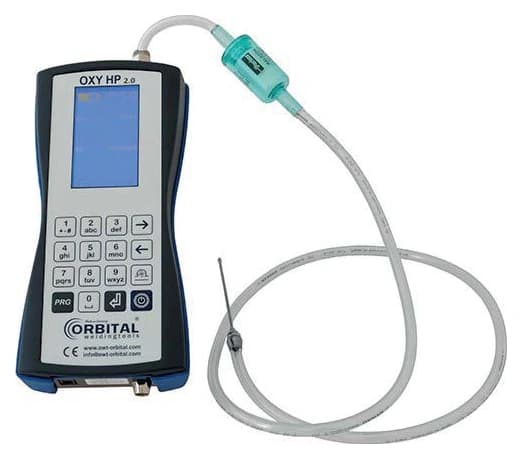
Price on request
People & teams
Define the work and required qualifications. We assess the professional profiles and supervision your project needs.
In practice
TIG and WIG are the same process. Orbital describes mechanised movement around a joint; an orbital system can use TIG. The comparison also concerns how the work is organised.
Send drawings or dimensions, materials, location and proposed dates. Tell us whether you need equipment to buy, professionals or an intervention combining equipment and crew.